Hello, my name is a person who should know better, and I have a hobby that doubles as emotional self-harm: I play games where the hero dies. In 2026, with photorealistic grass and 4K tears, I still have not learned. Most games hand you a happy ending, or at least a happy-ish ending. Even Uncharted 4, The Witcher 3, and Cyberpunk 2077 let their heroes limp toward something like peace. Then there are the other games. The ones that hand you a controller and a funeral program. I respect them. I also resent them. Mostly, I take notes and cry into a snack.
The strange thing is that these deaths are not just cheap shocks. They usually serve a bigger purpose in the story and in the development of the supporting cast. I used to feel as if all my button-mashing had been wasted. Now I understand that a well-written sacrifice is a narrative crowbar: it pries open the themes, cracks the supporting characters wide open, and leaves me staring at the ceiling at 2 a.m. wondering why I keep doing this to myself. Here are ten games that proved the point, ranked by how much I need a blanket and a warm beverage.
The Bittersweet Hall of Fame
| Game | Year | The heroic exit | My emotional damage |
|---|---|---|---|
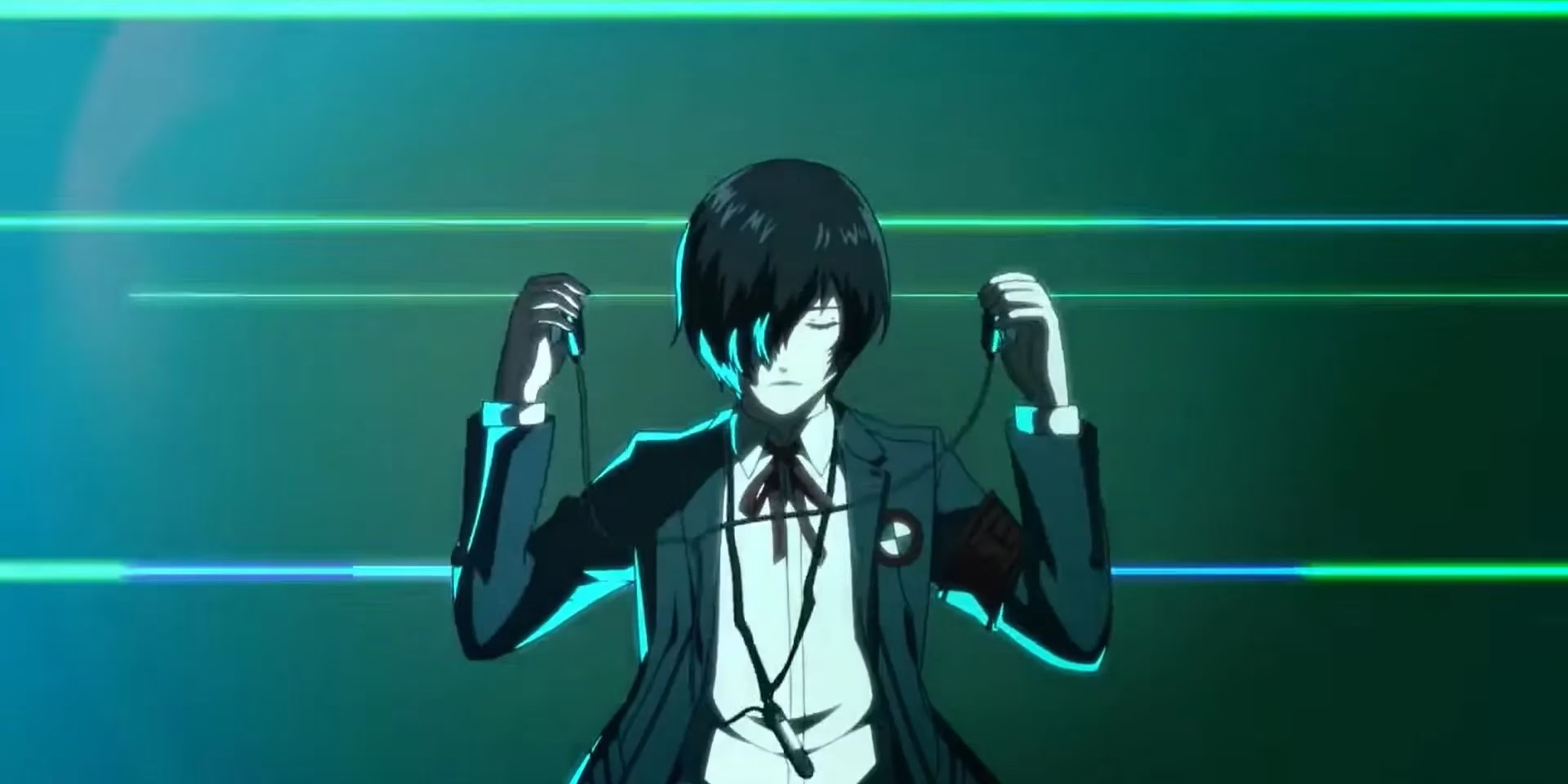
| Persona 3 | 2006 | Sacrifices himself to seal away an evil entity, then lingers for a month to keep a promise | 😭😭😭😭😭 |
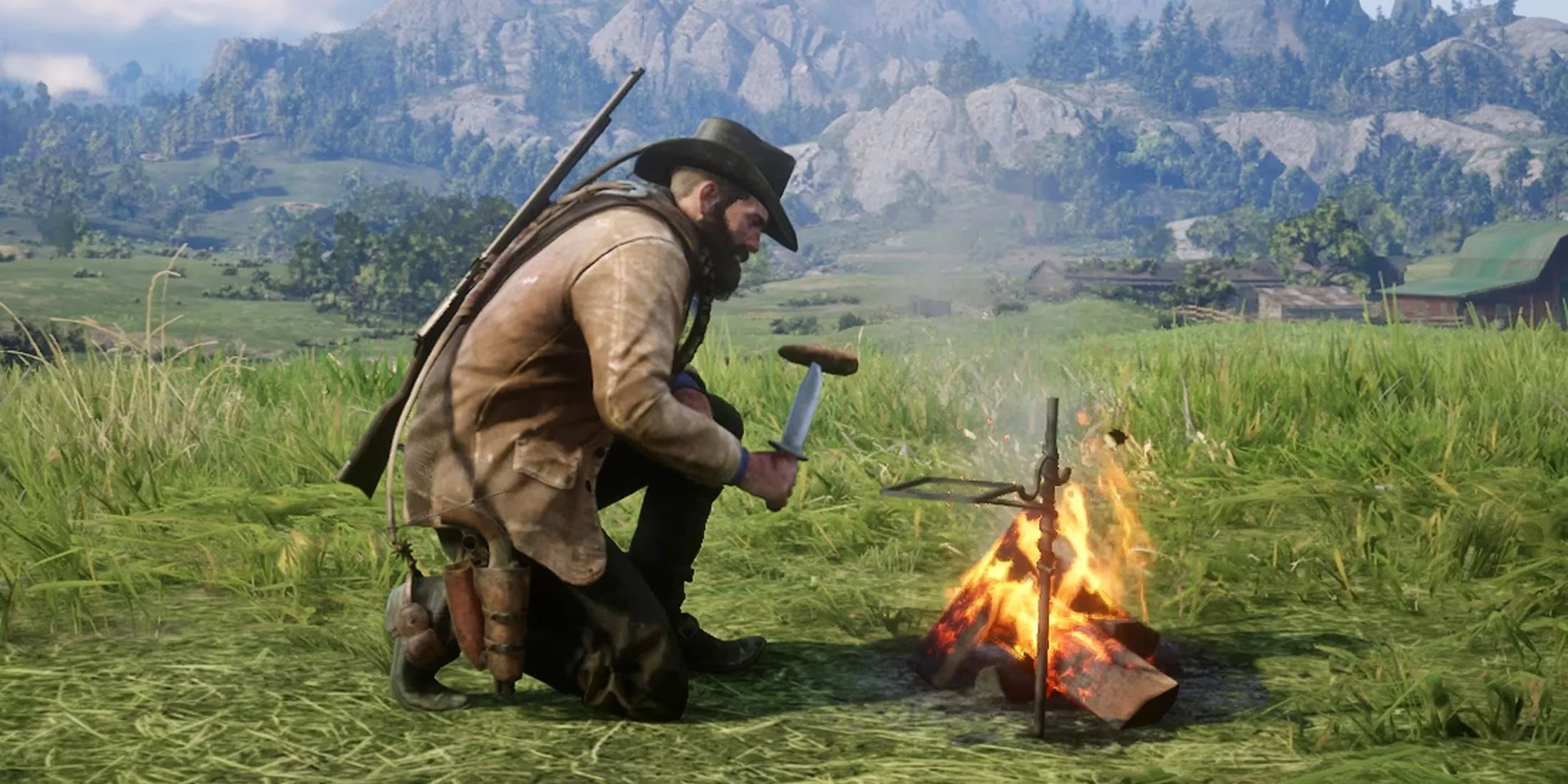
| Red Dead Redemption 2 | 2018 | Arthur dies depending on honor: antagonist or disease at sunrise | 😭😭😭😭😭 |
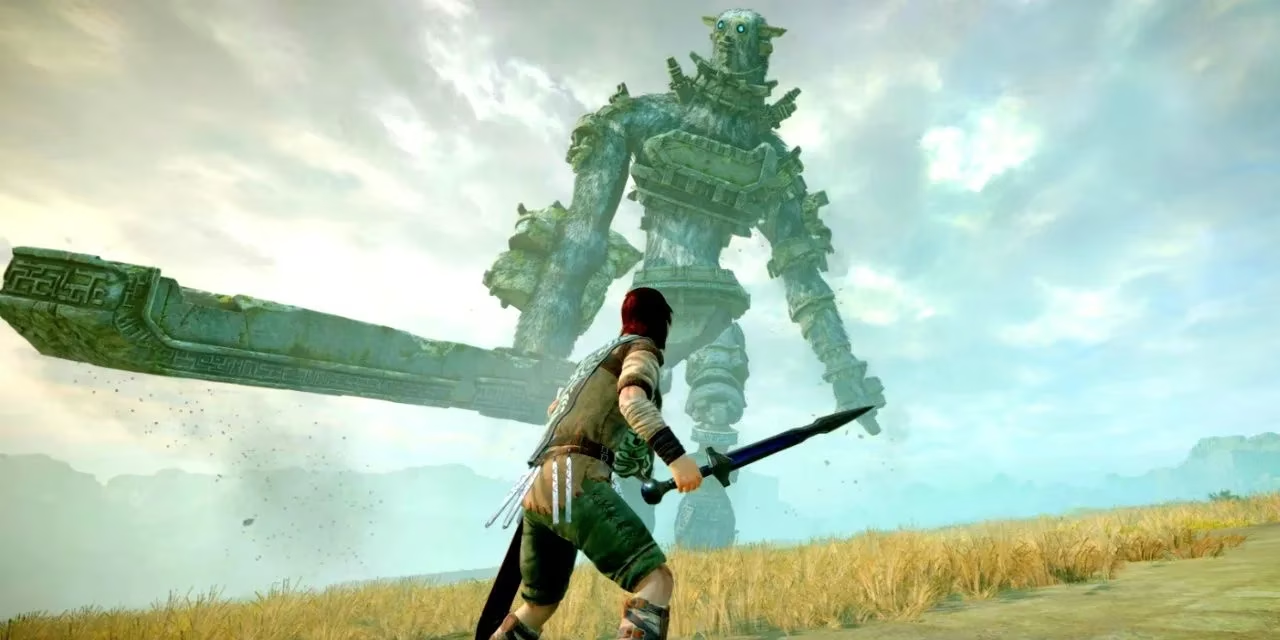
| Shadow of the Colossus | 2005 | Wander is tricked, transformed, and finished off | 😭😭😭😭 |
| L.A. Noire | 2011 | Cole drowns in river tunnels after saving a colleague and his mistress | 😭😭😭 |
| Halo: Reach | 2010 | Noble Six stays behind to secure the Pillar of Autumn escape | 😭😭😭😭 |
| Crisis Core: Final Fantasy VII | 2007 | Zack is ambushed; only Cloud survives, and the Buster Sword is passed on | 😭😭😭😭😭 |
| Mass Effect 3 | 2012 | Shepard dies in almost every ending, with one implied survival exception | 😭😭😭😭 |
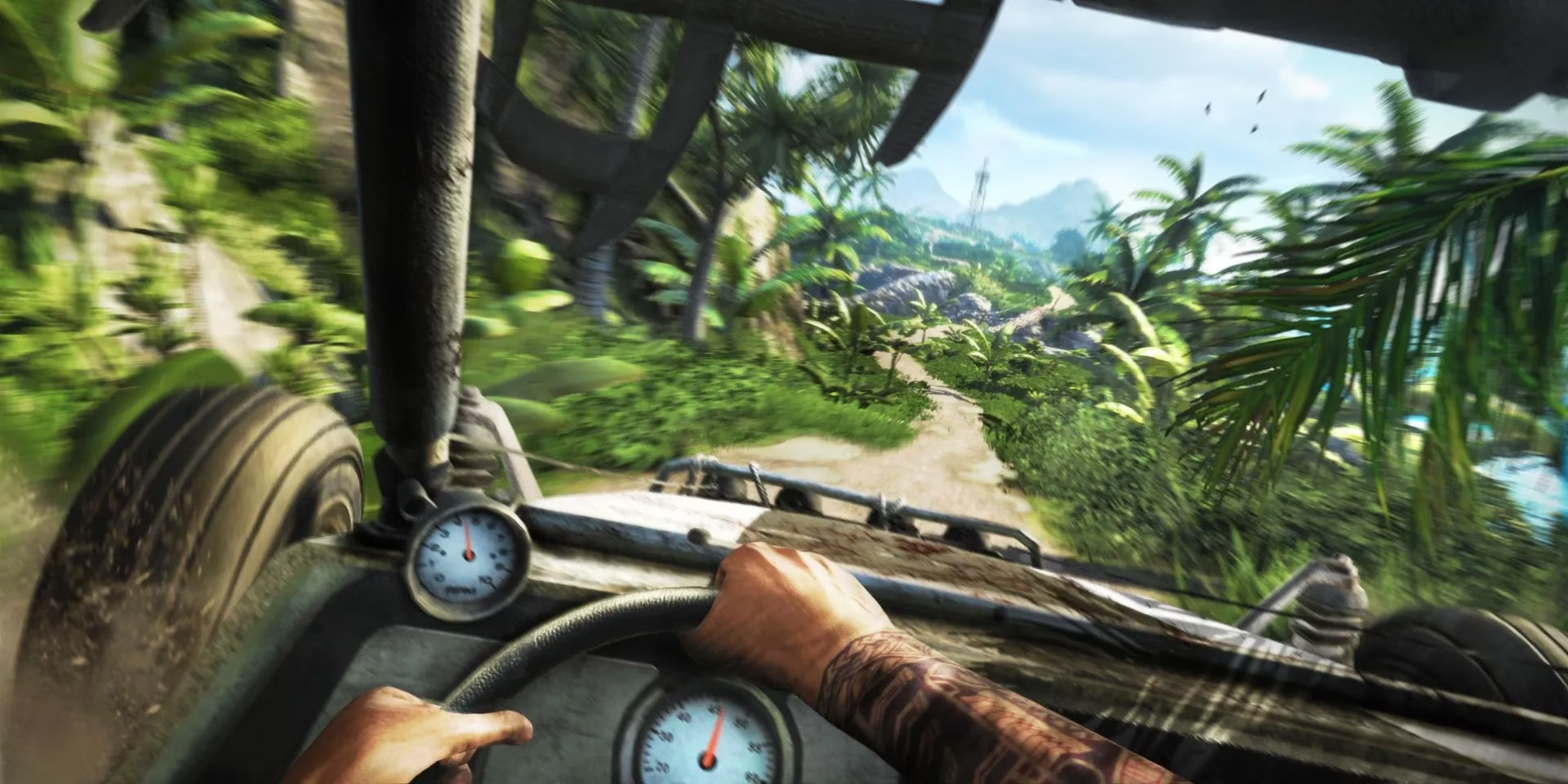
| Far Cry 3 | 2012 | Jason does not exactly leave the islands alive and well in either ending | 😭😭😭 |
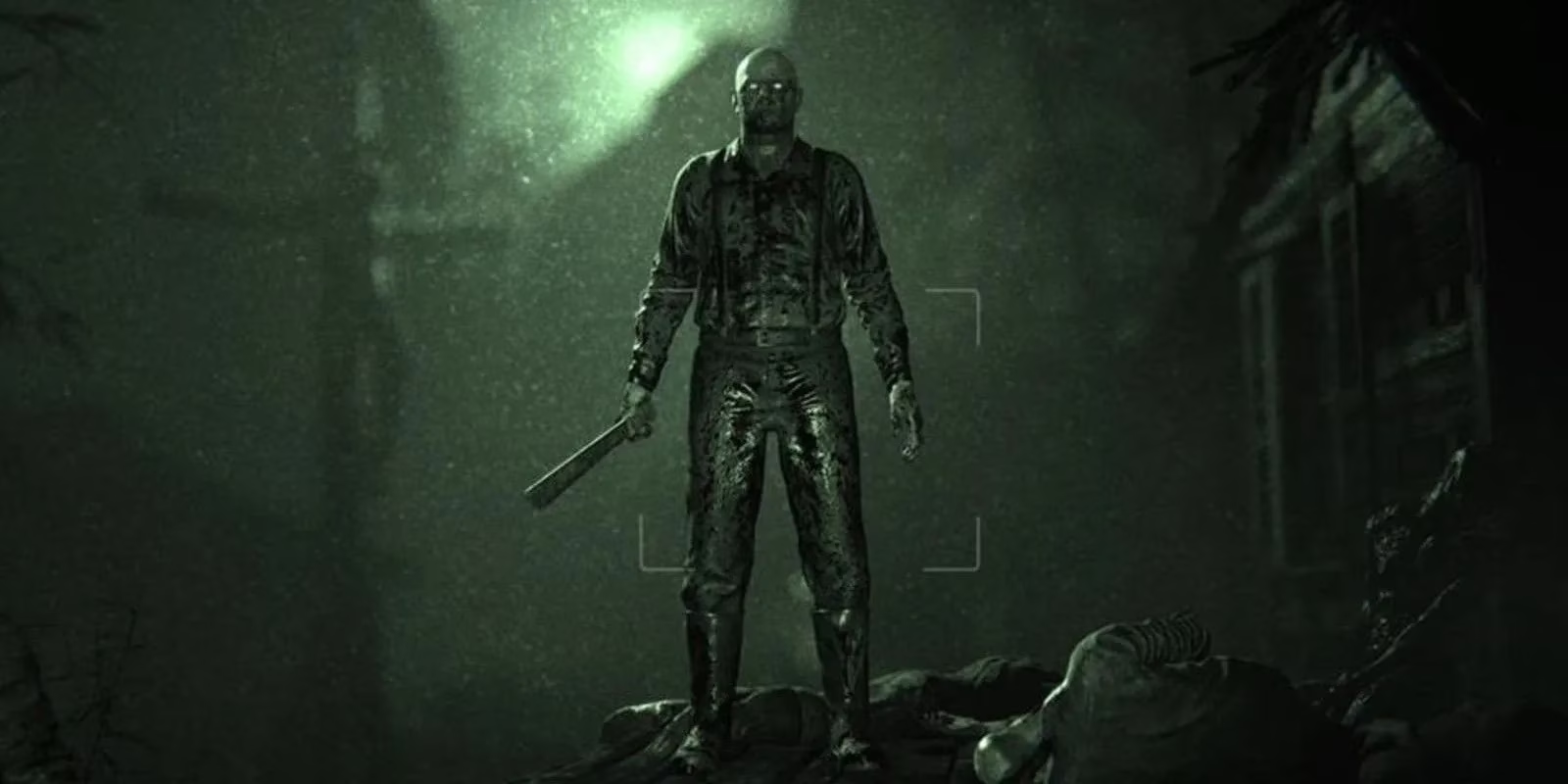
| Outlast | 2014 | Miles becomes the host of the entity and the screen fades to black | 😱😱😱 |
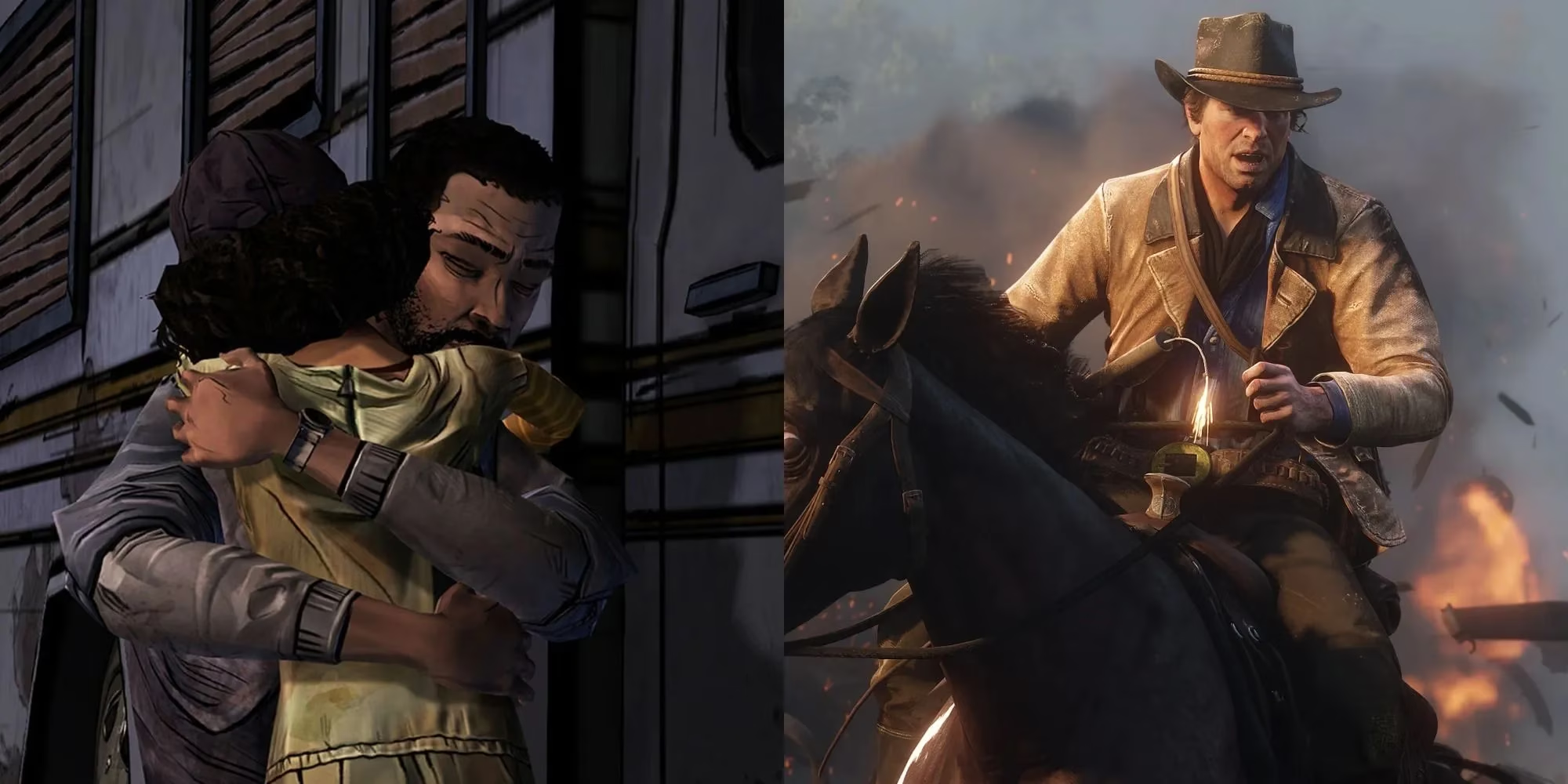
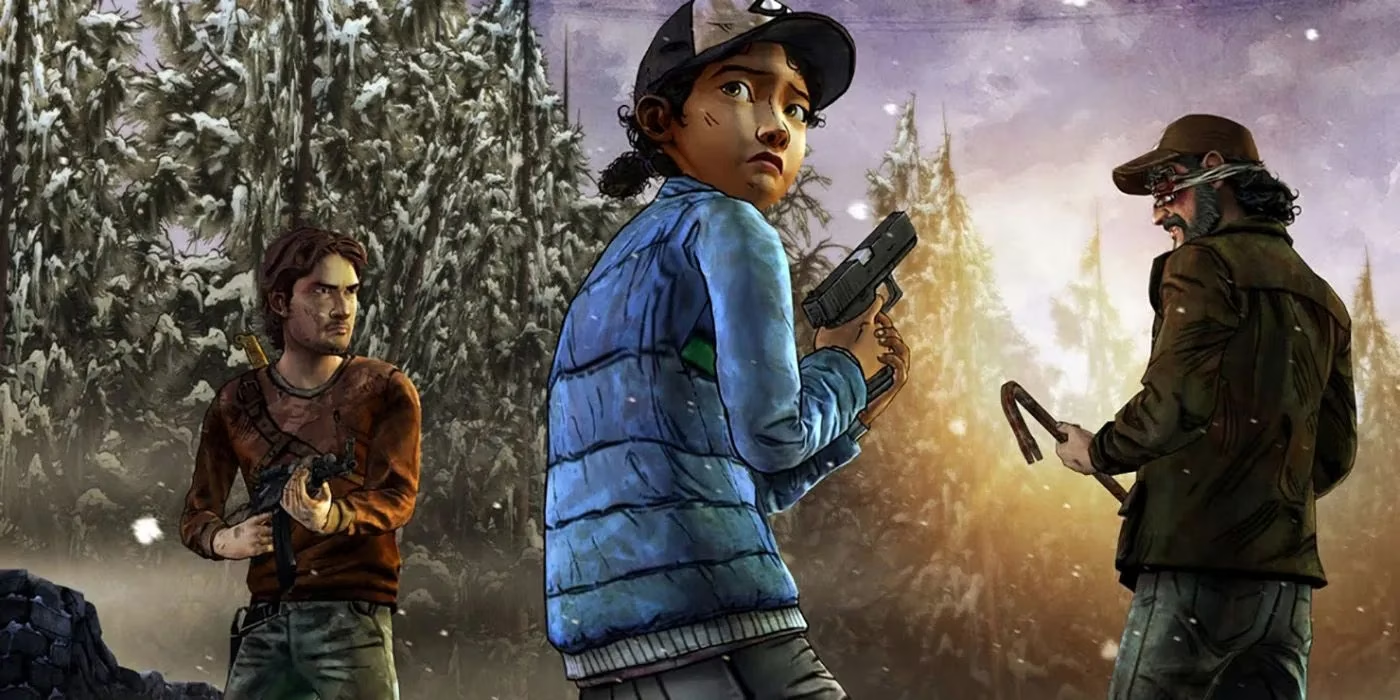
| The Walking Dead: Season 1 | 2012 | Lee is bitten, and Clementine must make an impossible choice | 😭😭😭😭😭 |
Persona 3: The Nap That Lasts Forever
In Persona 3, a silent protagonist joins an after-school club that deals with evil beings called Shadows. He seems calm and self-contained even when faced with guns and enemies, which is impressive, because I would have moved to a different school. His dark and chaotic past ties him to the present predicament. At the end, he chooses the noble thing and sacrifices himself to lock away an evil entity that could end everything. The game gives players a bittersweet ending: he still lives for a month after the final boss, just long enough to keep his promise to his friends. I call that dedication. I also call that an emotional ambush.
Red Dead Redemption 2: Arthur Morgan, Professional Heartbreaker
Red Dead Redemption 2 was praised for its immersive narrative, elevated open-world experience, and multifaceted characters. In the game, I play as Arthur Morgan, an outlaw and trusted member of the Van der Linde Gang. There are a lot of sad moments in this game. Despite doing my best to avoid various perils, I have no choice but to watch Arthur die. Depending on how I place in the honor system, he perishes at the hands of the main antagonist or succumbs to his disease as the sun rises. Either way, I am not okay. The sunrise one is especially rude because it is beautiful.
Shadow of the Colossus: Wander, You Have Been Scammed
Shadow of the Colossus follows a young man named Wander, who embarks on a dangerous journey to revive a damsel called Mono. A mysterious entity promises that Mono will be resurrected after he kills sixteen colossi. After the last colossus, I quickly see that I have been tricked and understand that this is a game about consequences. Wander is transported back to the temple where he made the deal, changes into a shadow creature, and is trapped and finished off by the remaining humans. No matter what I do, the ending is the same. I call that a scam. The game calls it art. We are both correct.
L.A. Noire: Cole Phelps and the Worst Swimming Lesson
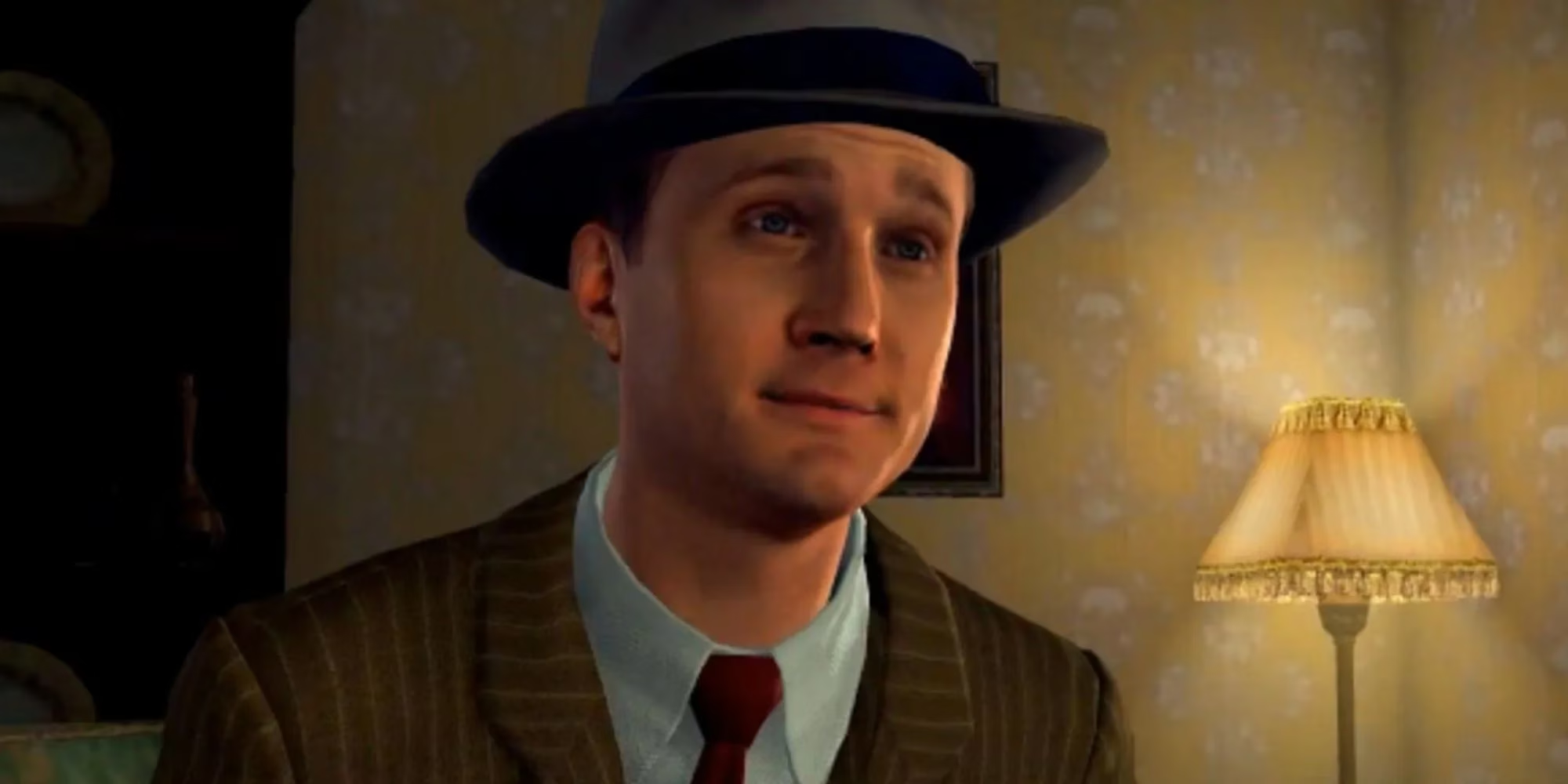
L.A. Noire follows LAPD detective Cole Phelps, and it throws me into a dark world full of corruption and crime. I get to know his strong principles and his desire to make Los Angeles a better place. Then the game reveals that Cole is not the perfect man he seems to be, because he sought comfort from another woman. At the end, he is killed by the strong current in the river tunnels after saving his colleague and mistress. It is a grim, soggy, and deeply unglamorous ending. I respect the commitment to consequences, but I would like one protagonist to die somewhere dry.
Halo: Reach: Noble Six, the Human Sacrifice Speedrun
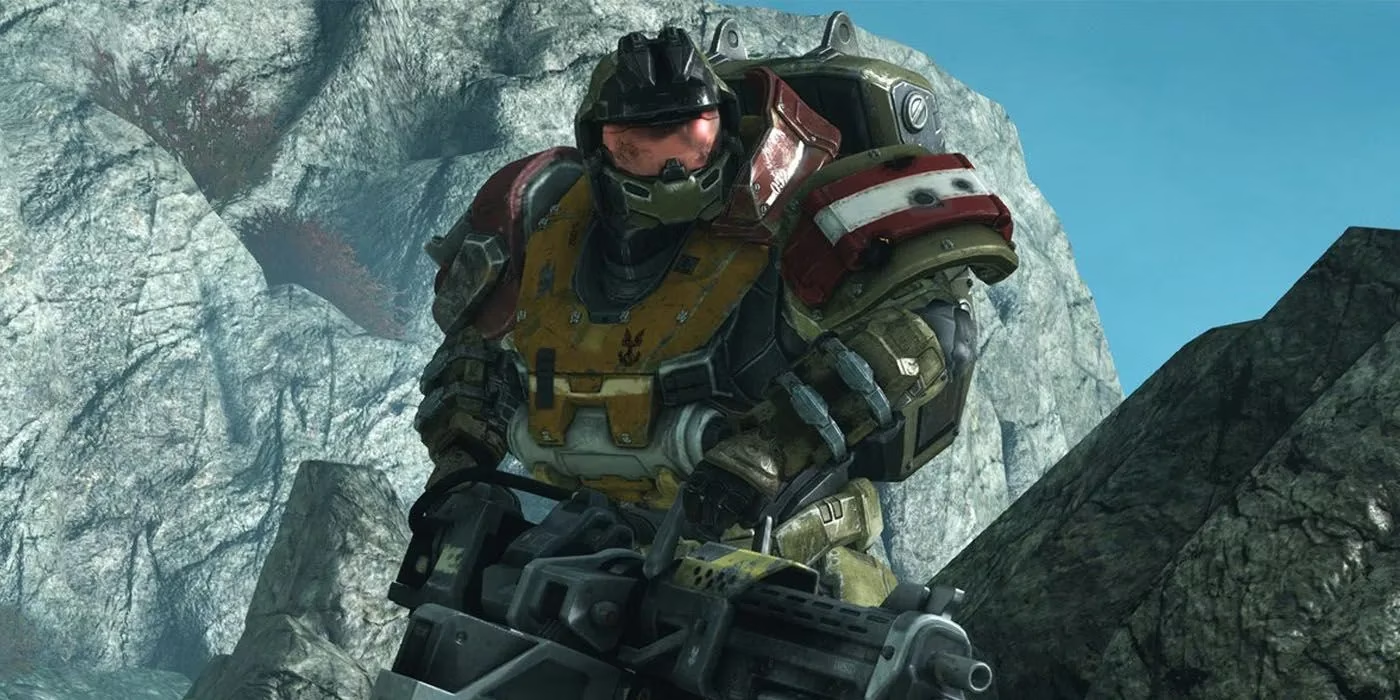
Halo: Reach is a much-loved title because of its enhanced multiplayer experience and its immersive, well-written missions. I assume the role of Noble Six, a soldier-slash-assassin who valiantly dedicates their life to fighting The Covenant. I should not get too attached to Noble Six. Due to their physical skills, Noble Six can push back an entire army of Covenant without help. But to secure the escape of the Pillar of Autumn, Noble Six volunteers to stay behind and sacrifice himself. It is heroic. It is tragic. It is also the most efficient way to make me stare at a loading screen in silence.
Crisis Core: Final Fantasy VII: Zack Fair Deserves a Break
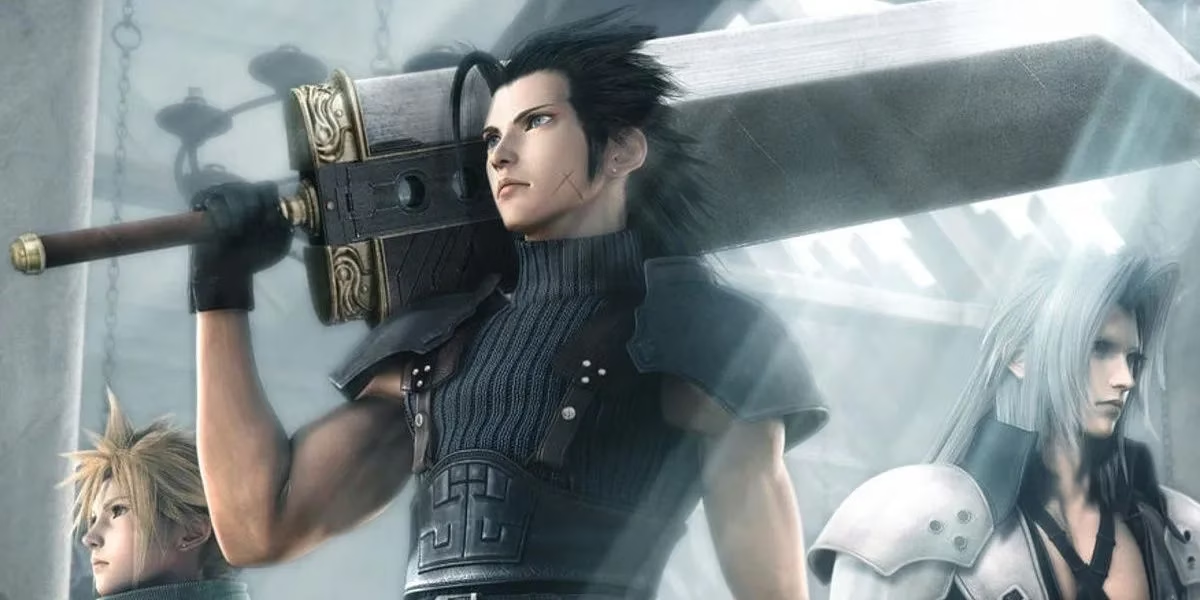
Crisis Core takes place seven years before Final Fantasy VII and puts the spotlight on Zack Fair. Working under the fighting force of Shinra Electric Power Company, Zack is a charming warrior with a highly positive attitude. The game effectively sets the stage for Final Fantasy VII. Accompanied by fan-favorite Cloud Strife, Zack gets ambushed by Shinra troops in an attempt to free the last copy of his mentor Angeal. Only Cloud survives, and in the emotional scene, Zack hands down the iconic Buster Sword. I knew it was coming. I still said, out loud, “No.” The game did not listen.
Mass Effect 3: Commander Shepard’s Farewell Tour
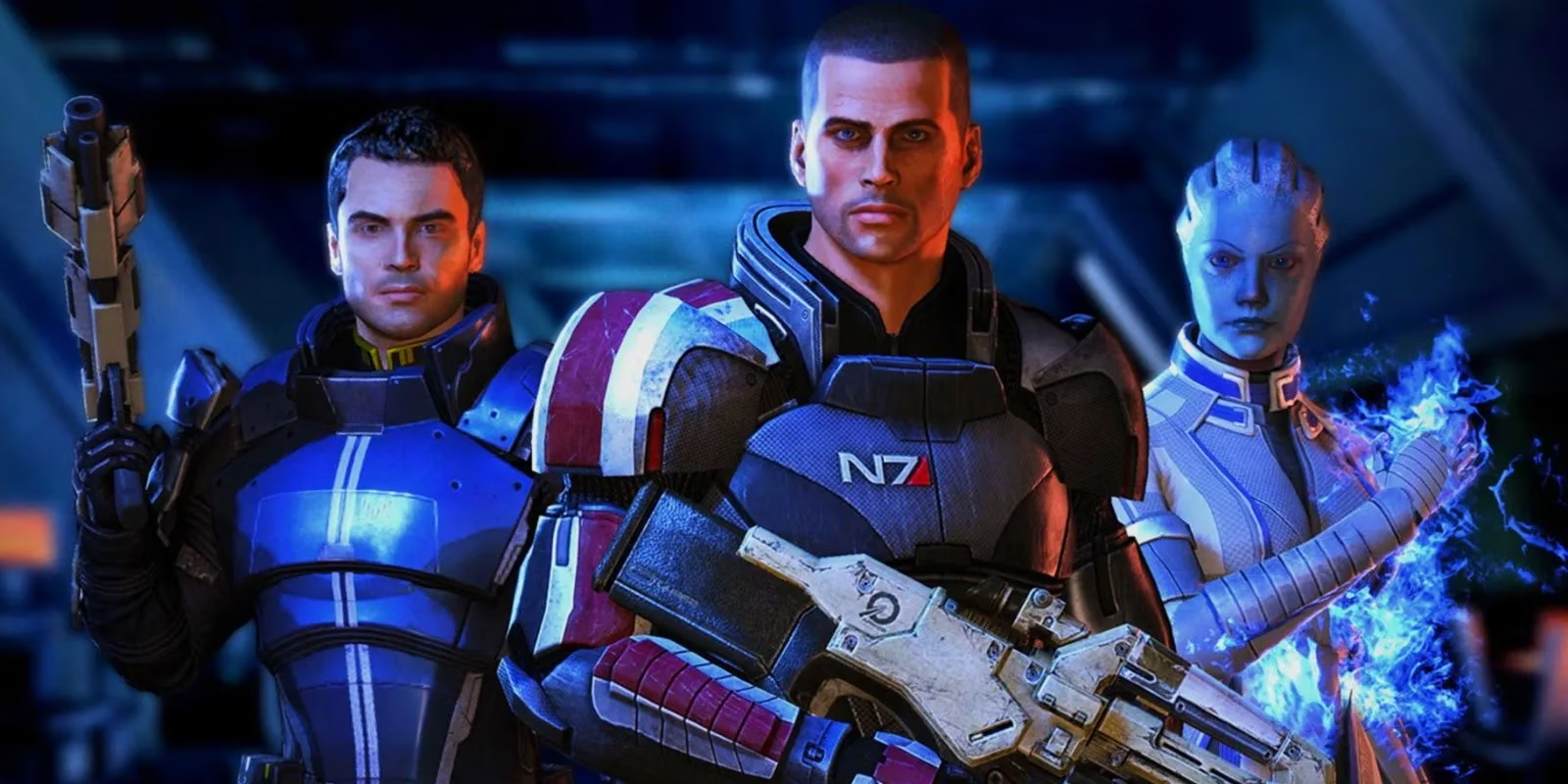
Commander Shepard’s story ends in Mass Effect 3. I watch Shepard unite different alien species to help reclaim Earth. What fascinates me is that my choices throughout the whole series, including the first two entries, can alter the ending. It is guaranteed that Shepard will die in almost every ending, but there is one exception where survival is implied. To get there, I have to be extremely mindful of my choices and my Effective Military Strength. I was not mindful. I was busy flirting with aliens and making dramatic speeches. So Shepard died, and I learned that love is not a substitute for military readiness.
Far Cry 3: Jason Brody’s Island Vacation Goes Great
Far Cry 3 is about Jason Brody, an American man desperate to help his detained friends escape a belligerent group of islands. Developed by Ubisoft, the game was well-received for its excellent mechanics and outstanding character stories. The last crucial choice is whether Jason saves his friend Eliza or slits her throat. Fair warning: both endings do not exactly have Jason coming out of the islands alive and well. I appreciate a game that commits to the bit. I also appreciate a game that lets me pet a tiger. This is not that game.
Outlast: Miles Upsher, Investigative Journalist and Unwilling Landlord
Outlast is one of the best stealth horror games of the last decade, and its plot gives me goosebumps. I take on the role of Miles Upsher, a freelance investigative journalist who bravely enters a psychiatric hospital deep in the mountains. Miles soon learns that the hospital is being terrorized by a strange entity. Despite his best efforts to rid the hospital of the tyrannical ghost, Miles becomes the host for the entity. In the final encounter, Miles and a military team exchange gunshots as the screen fades to black. I sat there holding my controller like a fool. The screen did not fade back in. Rude.
The Walking Dead: Season 1: Lee Everett, Zombie Apocalypse Dad
Many people think of The Walking Dead: Season 1 when they think of the best episodic video game. I play as the brave Lee Everett and make very important choices that can ensure the survival of my group in a zombie-filled world. Sadly, Lee gets bitten by a zombie. His companion Clementine must then save herself by either shooting Lee to prevent him from reanimating or leaving him to succumb to the infection. I have played a lot of sad endings, but this one still gets me. It is not just a death; it is a handoff of responsibility, and it hurts in a very specific, parental way.
Why I Keep Coming Back
So why do I keep playing these games? Because a protagonist’s death can be more than a sad cutscene. It can be the final argument in a story about sacrifice, consequence, or love. It can turn a supporting character into the person who carries the torch. It can make me sit with a choice long after the credits. In 2026, I have more games than ever, more ways to avoid sad endings, and yet I still boot up the tragic ones. I guess I like my entertainment with a side of existential dread. Anyway, I am off to play something cheerful. Probably a game where the hero dies. Again.
According to coverage from Game Developer, tragic endings tend to resonate most when a protagonist’s death is woven directly into the game’s mechanical and thematic structure rather than dropped in for shock value. That perspective fits games like Persona 3, Halo: Reach, and The Walking Dead, where sacrifice closes the arc in a way that reinforces the player’s journey and deepens the impact on the surviving cast.