As we move further into 2026, the anticipation for a potential Red Dead Redemption 3 has not diminished; it has evolved. Since the monumental release of Red Dead Redemption 2 in 2018, the fanbase has been locked in a perpetual cycle of hope, speculation, and analysis, dissecting every rumor about where Rockstar Games' iconic Western saga could go next. The narrative tapestry woven across the first two games feels so complete, so final, that the central question for a third entry isn't just if it will happen, but how it can possibly carve out its own meaningful space. If the franchise is to continue by carrying forward the legacy of the Van der Linde gang and the Marston family, there is one profound, lingering mystery that a new game is uniquely positioned to solve: the untold story of Abigail Marston's death.
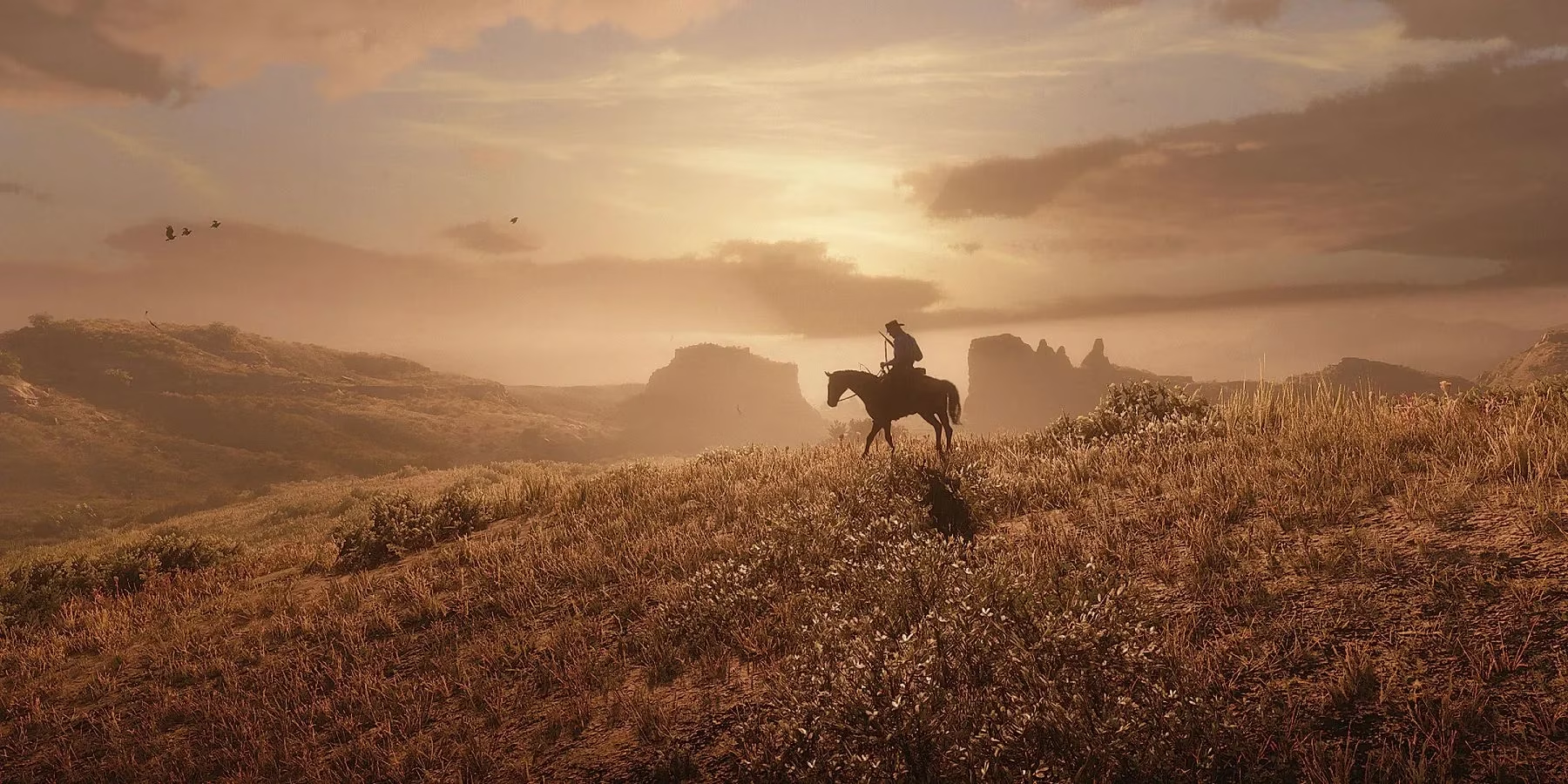
The debate over RDR3's setting is a fierce one. The series has masterfully chronicled the dying gasps of the American frontier, a period of transition that fueled the core themes of redemption, change, and the inescapable pull of the past. Moving further back into the height of the Wild West risks losing that poignant thematic core. Therefore, I believe the most logical and compelling path forward is just that—forward. Advancing the timeline into the early 20th century with Jack Marston as the protagonist isn't just fan service; it's a narrative necessity. Jack's brief, tragic playable epilogue in the original Red Dead Redemption showed a young man forced to pick up his father's gun and mantle, perpetuating the very cycle of violence his parents sacrificed everything to break. This rich character conflict was merely glimpsed; it deserves a full, sprawling epic to explore.
A Jack Marston-led RDR3 could immerse us in a world radically different from the open plains of the West. Imagine:
-
The Aftermath of World War I: Jack, perhaps a veteran returning to a changed America, grappling with new forms of trauma in a society that has no place for the old outlaw ways.
-
The Rise of Organized Crime: The frontier lawlessness of his father's era replaced by the structured, urban violence of Prohibition-era gangs.
-
The Ghosts of the Past: The constant, haunting weight of his family's legacy—John's sacrifice, Abigail's love, and the gang's doomed idealism.
Yet, amidst these grand new themes, the game must not forget to honor the past. While John Marston's story was told with brutal finality, his wife Abigail's was left hauntingly incomplete. Following the main story of RDR, the epilogue jumps to 1914 and reveals, with almost cruel brevity, that Abigail is buried beside John, having died just weeks before. The player is given no explanation, no context, no closure.
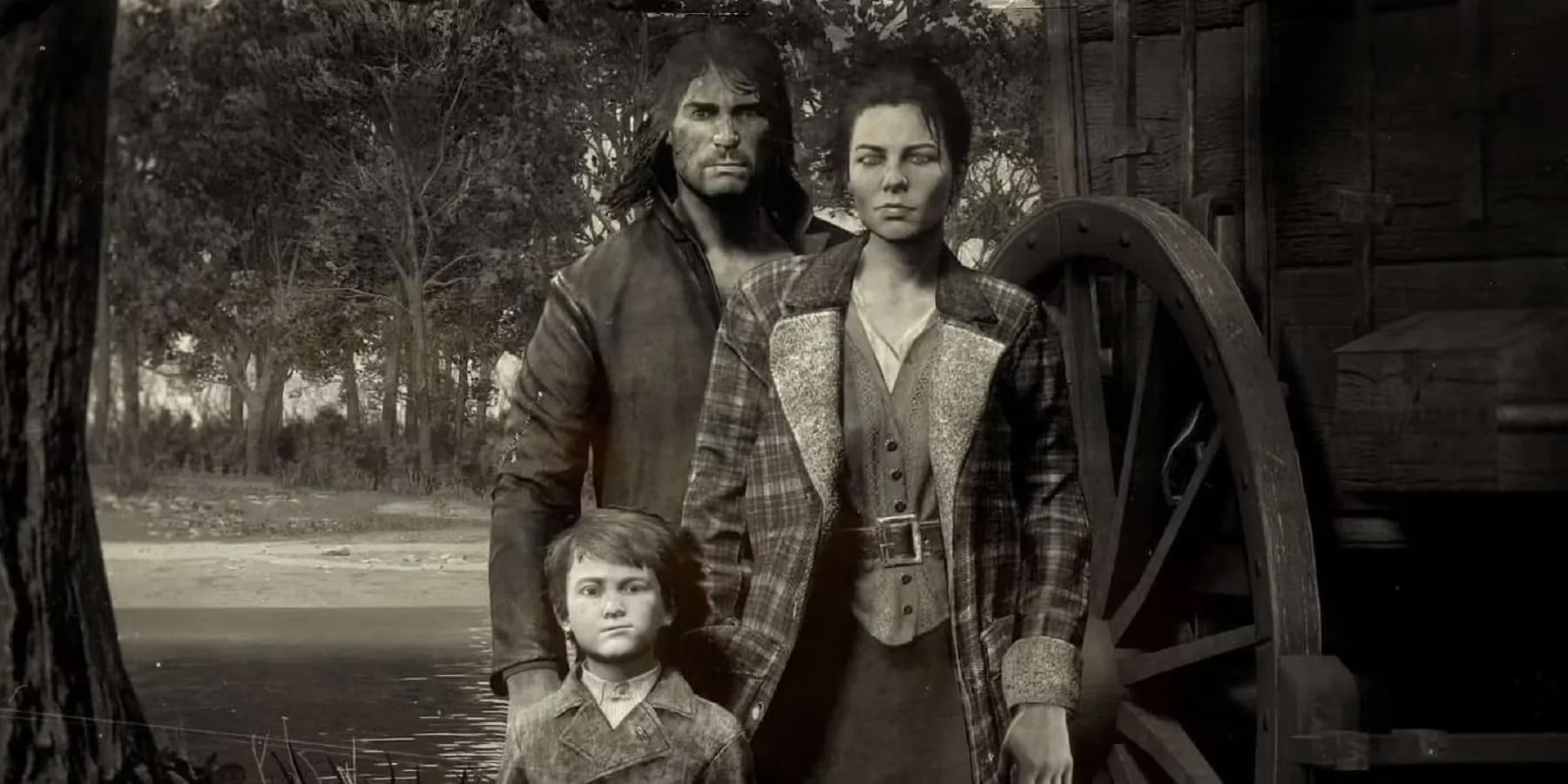
This narrative silence has echoed for years. Fan theories have filled the void:
| Potential Cause of Death | Narrative Reasoning | Emotional Impact |
|---|---|---|
| Illness/Disease | Common for the era; a simple, tragic reality. | Highlights the fragility of life post-redemption. |
| Broken Heart / Grief | The cumulative toll of losing John, Uncle, and the life she fought for. | A poetic, tragic end emphasizing love's cost. |
| Violence / Revenge | A final, cruel act from a forgotten enemy of the Van der Linde gang. | Underscores the inescapability of the past. |
Abigail was the moral compass, the steadfast heart, and the enduring hope of the entire saga. She was the one who fought hardest for a normal life. To leave her fate as a mere footnote on a gravestone feels like an injustice to her character. In a potential RDR3, Jack's journey wouldn't just be about forging his own path; it would inherently be a journey to understand his parents' full story. A few lines of dialogue, a discovered letter, or a flashback sequence—these wouldn't derail a new narrative but would instead enrich it, tying Jack's future directly to the resolved pains of his past.
Ultimately, as we look ahead, Red Dead Redemption 3 has a monumental task. It must justify its existence in a seemingly concluded story. Choosing Jack Marston as the lens through which we view a rapidly modernizing America provides that justification. But within that new story, there must be room for reverence. Addressing the mystery of Abigail Marston's death isn't a distraction; it's a crucial act of narrative housekeeping and emotional respect. It would provide the final, heartbreaking piece of the Marston family puzzle, allowing Jack—and the player—to truly understand the weight of the legacy he carries, and perhaps, finally, find a way to lay it to rest. For a series built on the pursuit of redemption, giving Abigail hers would be a fitting, and essential, new beginning.