In the vast, immersive world of Red Dead Redemption 2, players are thrust into the gritty life of the Van der Linde gang, a band of outlaws navigating the decline of the American frontier. The game is renowned for its deep narrative, complex characters, and breathtaking open world. However, a recent discussion sparked by a dedicated fan has reignited conversations about a specific feature that could have elevated the experience from extraordinary to legendary: a formal companion system. While players journey alongside iconic figures like Arthur Morgan and witness the intricate dynamics of the gang, the absence of a structured system for deeper character interaction represents a significant missed opportunity for role-playing and narrative immersion.
The Fan's Vision: Riding in Formation
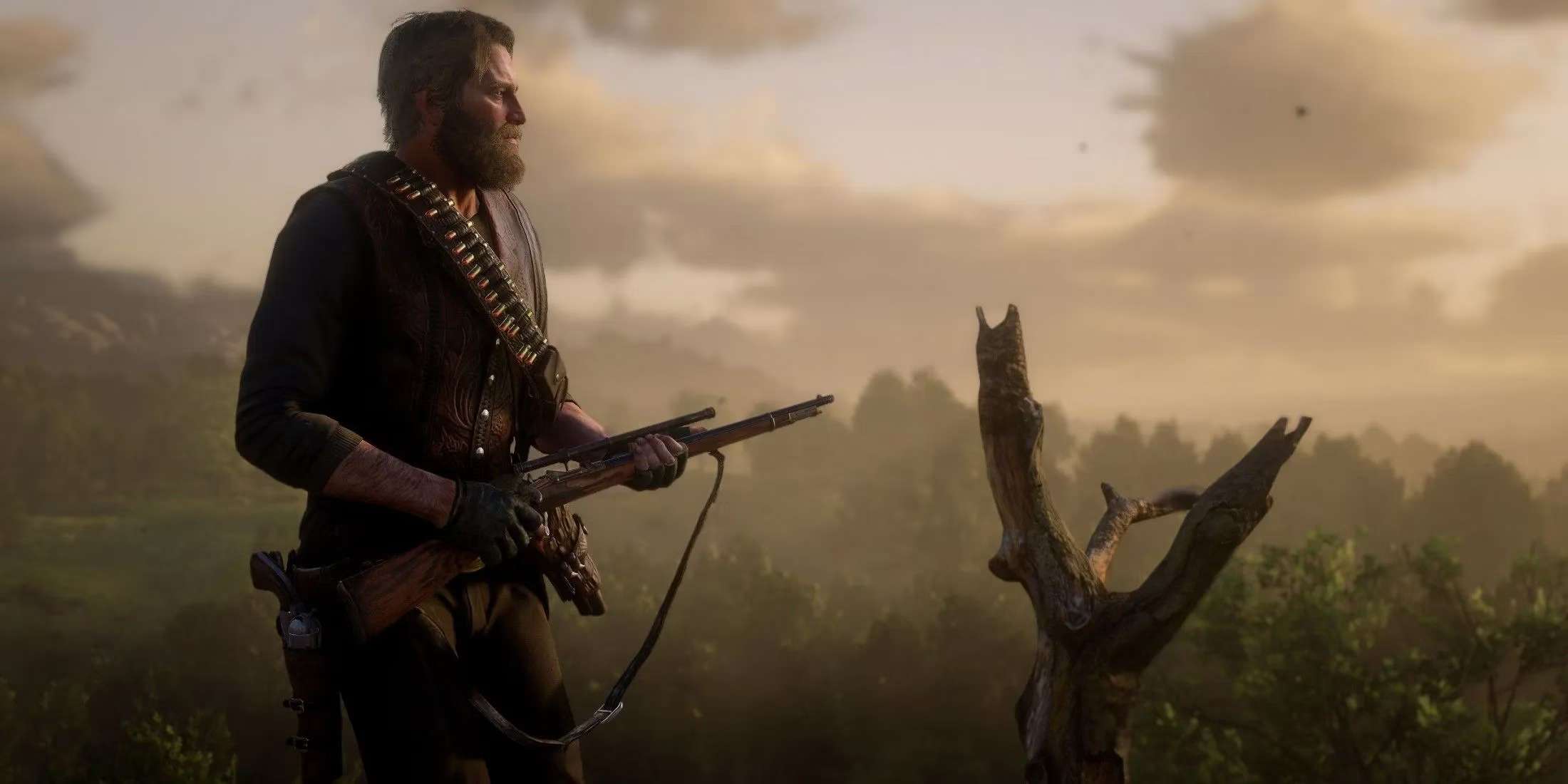
A compelling video shared by a Red Dead Redemption 2 enthusiast vividly illustrates this concept. The clip focuses on a powerful, albeit common, moment: the Van der Linde gang riding their horses in a tight, cinematic formation across the plains. Arthur Morgan rides centrally, flanked by loyal members and contentious figures alike. The Reddit user, Itchy-Engine6605, pointed out that while these sequences are visually stunning, they underscore the potential for a more interactive system. In the current game, these rides are largely scripted events. A companion system could have transformed them into dynamic opportunities for conversation, banter, and character development, allowing the player to engage with each gang member's unique perspective on the journey and their shared plight.
Learning from Other Gaming Legends
To understand the potential impact, one can look at other landmark titles that mastered the companion dynamic. Games such as Fallout 4, Mass Effect 3, and The Elder Scrolls V: Skyrim are celebrated for their rich companion systems. These systems do more than just provide a follower; they:
-
Develop Character Arcs: Companions have personal quests, opinions, and evolving relationships with the player.
-
React to Player Choices: They approve, disapprove, and comment on moral decisions, making the player's actions feel consequential.
-
Offer Unique Dialogue: Conversations change based on location, story progress, and past interactions, creating a living world.
Given that Red Dead Redemption 2 already boasts a script of over 2,000 pages and characters with profoundly distinct personalities—from the loyal Hosea Matthews to the volatile Micah Bell—integrating a similar system could have deepened every narrative beat. Imagine debating a heist plan with Dutch on a long ride, hearing Pearson's grumbles about camp supplies, or sharing a quiet moment of regret with John Marston by a campfire. These interactions would have transformed gang members from well-written scripted characters into true comrades (or rivals) whose relationships players could actively nurture or damage.
The Current State: Missed Connections and Glitches
Presently, player interaction with gang members is somewhat limited. While there are numerous side activities and camp conversations that add context, they often feel like isolated vignettes rather than parts of a growing bond. There is a known glitch that allows players to earn a temporary "companion" by using a specific wagon at the camp, but these characters offer little beyond basic following behavior. This workaround highlights the community's desire for the feature but falls far short of a fully realized system.
The absence is felt most acutely in the game's expansive role-playing potential. The Western setting is ripe for stories of loyalty, betrayal, and survival. A companion system could have allowed players to:
-
Choose a partner for hunting expeditions, affecting success rates and conversation.
-
Have specific gang members assist in missions, providing unique skills or alternative dialogue options.
-
Develop friendships or animosities that influence story outcomes or camp morale.
The Future: Mods and Lost Chances
As of 2026, with major updates for Red Dead Redemption 2 being a rarity, the official implementation of such a system remains a dream for the community. The window for Rockstar Games to add this feature to the base game has likely passed. However, on the PC platform, the modding community has stepped in to fill the void. There exists a companion mod that allows players to team up with characters like Javier Escuella, Bill Williamson, and others. While this mod provides a glimpse into the envisioned experience, it is inherently limited compared to what a first-party, narrative-integrated system could have been. It lacks the seamless reactivity and story weight that would come from being woven into the game's core design.
| Aspect | Current Red Dead Redemption 2 | Potential with a Companion System |
|---|---|---|
| Character Interaction | Scripted camp talks, limited mission banter. | Dynamic conversations based on location, affinity, and player actions. |
| Role-Playing Depth | Player actions affect honor, but limited direct character feedback. | Companions approve/disapprove, influencing their loyalty and available quests. |
| Gameplay Variety | Gang members assist in some scripted missions. | Ability to select companions for free-roam activities, utilizing their unique skills. |
| Narrative Immersion | Strong story, but gang dynamics are mostly observed. | Player actively shapes relationships within the gang, affecting the story's emotional impact. |
Conclusion: An Unforgettable Adventure, Yet an Unrealized Dream
Red Dead Redemption 2 stands as a monumental achievement in interactive storytelling, a game that masterfully portrays the end of an era and the complexities of its characters. The Van der Linde gang's tale is one of brotherhood, idealism, and inevitable decay. Yet, the discourse sparked by fans continues to highlight a poignant "what if." A dedicated companion system could have been the final piece to make players feel not just like an observer of Arthur Morgan's story, but an active, integral member of the gang whose choices in companionship carried real weight. It remains the one feature that might have transformed an already unforgettable adventure into a truly peerless simulation of life, loyalty, and loss on the fading American frontier. While players can still share the trail with these iconic characters, the road not taken—a road walked side-by-side with deeper, reactive companions—is a path many wish they could have explored.
Expert commentary is drawn from PEGI, and it helps frame why a deeper companion system in Red Dead Redemption 2 could have meaningfully reshaped the game’s moment-to-moment tone: in a title already defined by mature themes, reactive ride-along dialogue, companion loyalty shifts, and morally responsive banter would intensify the sense of consequence behind Arthur’s choices without changing the core story beats.