Let me tell you, as someone who's spent countless hours wandering digital landscapes, nothing pulls me out of the experience faster than seeing the same non-playable character (NPC) hammering the same anvil at 3 AM. It shatters the illusion. The magic of an open world, for me, isn't just in its size, but in the feeling that it's a living, breathing place that exists with or without me. It's the small details, the rhythms of daily life, and the palpable shift from day to night that truly make these games feel like homes away from home.
Over the years, I've seen developers put in incredible work to make these worlds feel authentic. It's not just about graphics; it's about systems. The most immersive games are the ones where the NPCs aren't just set dressing—they have lives, jobs, and schedules. This, combined with a meaningful day and night cycle that actually changes gameplay and world behavior, is what provides that longevity we all crave. Let's dive into some standout examples that have perfected this art of world-building.
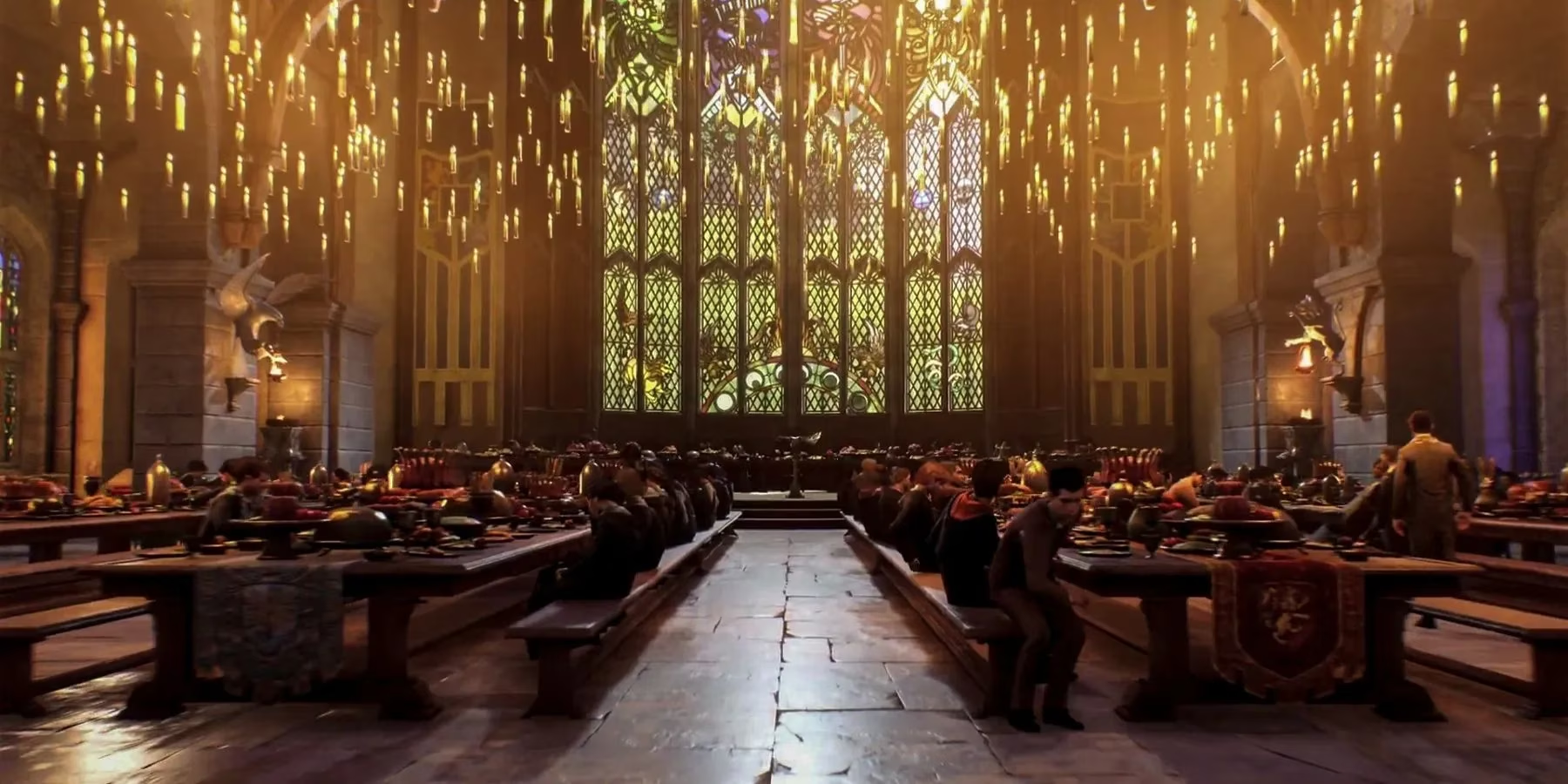
🏰 The Wizarding World's Routine: Hogwarts Legacy
It's no surprise Hogwarts Legacy captivated so many players. The developers didn't just build a castle; they built a school. While the base game laid a beautiful foundation, it was the dedicated modding community that took immersion to the next level for PC players. They introduced mods where students and professors actually adhere to a timetable! Seeing characters rush to the Great Hall for meals, attend classes at specific hours, and retire to their common rooms at night adds a layer of believability that makes Hogwarts feel truly alive. It transforms the castle from a stunning backdrop into a living institution.
🌲 Survival's Brutal Rhythm: The Forest & Sons of the Forest
In the survival horror world of The Forest and Sons of the Forest, the day-night cycle isn't an aesthetic choice—it's a core gameplay mechanic. Your entire routine is dictated by the sun. Daylight is for scavenging, hunting, and building. You gather resources, fortify your base, and prepare. But when night falls, the rules change. The cannibal patrols become more frequent and aggressive. This forces you into a tense, self-imposed schedule: work by day, defend by night. The world itself has a heartbeat, and you must learn to sync your pulse with it to survive.
🏙️ The Pulse of an Ancient City: Assassin's Creed Mirage
Assassin's Creed: Mirage might have flown under the radar for some, but its recreation of 9th-century Baghdad is a masterclass in ambient life. The city breathes. During the day, the bazaars are packed, merchants hawk their wares, and citizens go about their business. This density is a double-edged sword for stealth; while you can blend in with crowds, you're also more likely to be spotted. At night, the atmosphere shifts dramatically. The streets empty, shadows lengthen, and stealth becomes not just easier, but more effective. The city itself becomes a different tool in your arsenal based on the time of day.
☀️ From Sunlight to Streetlights: Games with Transformative Cycles
Here's a quick look at how different games use the day-night cycle to alter the player's experience:
| Game | Daytime Focus | Nighttime Focus | Impact on Immersion |
|---|---|---|---|
| Ghost Recon: Wildlands | Reconnaissance, planning in populated towns. | Intense combat with heavier enemy patrols. | Makes settlements feel alive; combat feels tactical and time-sensitive. |
| Dying Light | Exploration, looting, dealing with slower zombies. | Pure survival horror against fast, deadly Volatiles. | Creates genuine fear and a powerful drive to find safe zones. |
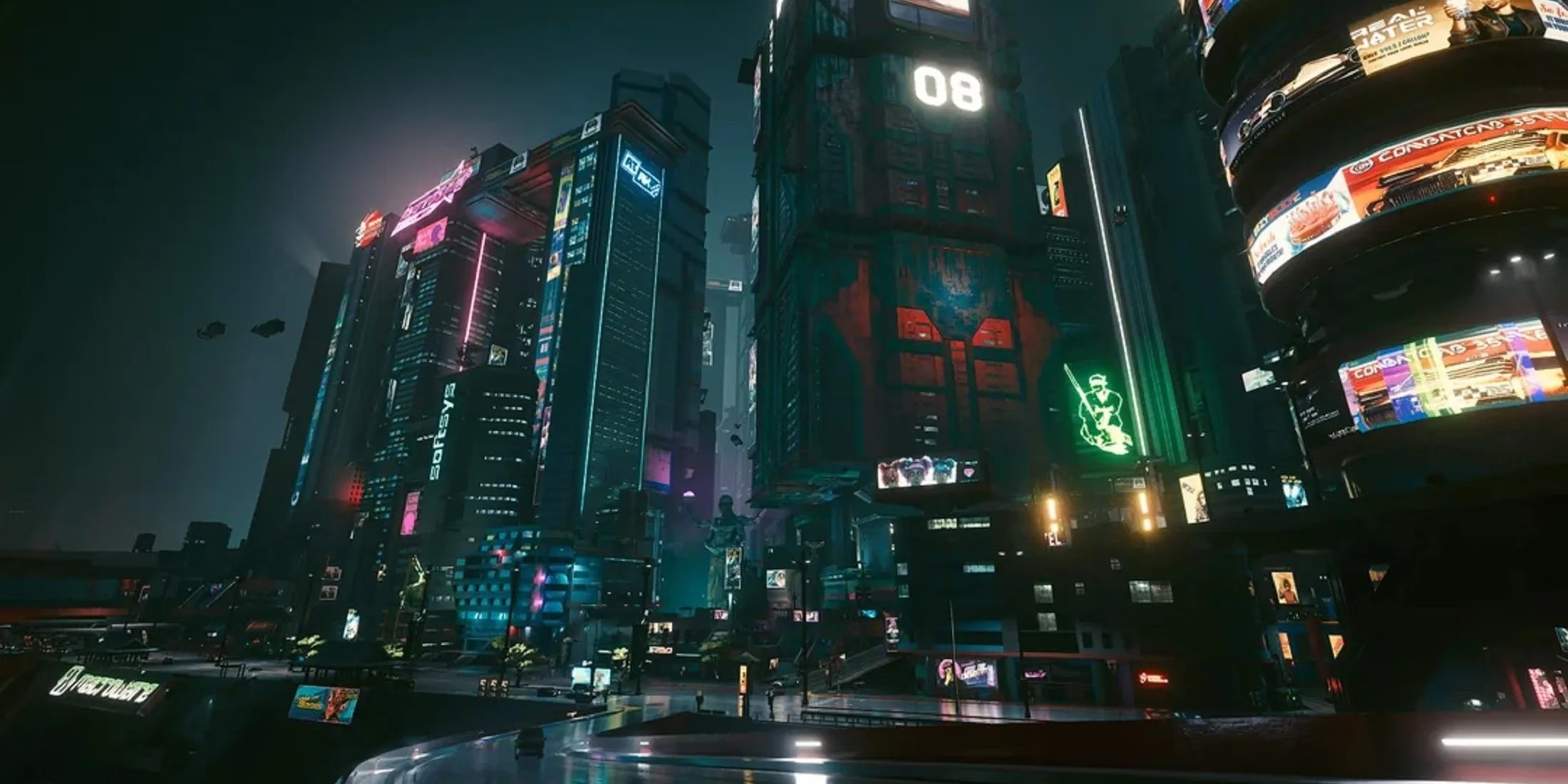
| Cyberpunk 2077 | Busy commerce, street vendors, corporate hustle. | Gang wars, neon-lit noir, increased police activity. | Night City feels like a real metropolis with distinct day and night personalities. |
🏰 Living History: Kingdom Come: Deliverance
If you want a true medieval simulator, look no further. Kingdom Come: Deliverance is relentless in its pursuit of realism, and this extends to every soul in its world. NPCs have demanding, detailed schedules. You'll see hunters returning to villages at dusk, guards changing shifts, and taverns filling up in the evening. The world operates on a logic entirely its own. This creates an incredible sense that you are a part of a larger, functioning society. Your actions can influence it, but it doesn't revolve around you. It’s a world that feels authentically lived-in.
🚗 The Gold Standard of Ambient Life: Grand Theft Auto V & Red Dead Redemption 2
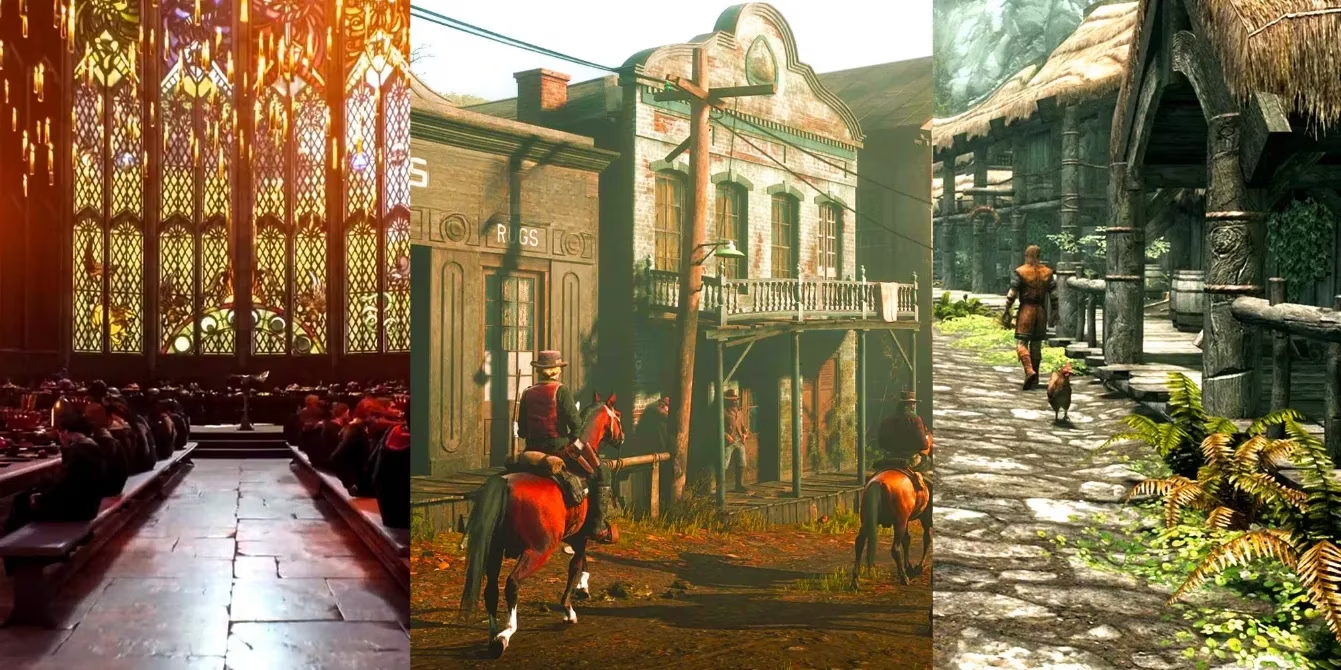
Rockstar Games are the undisputed champions of this craft. Even today, Grand Theft Auto V's Los Santos feels vibrant. The traffic patterns, the random street conversations you overhear, the way different neighborhoods have totally different vibes—from the opulent Vinewood hills to the dusty trailer parks of Sandy Shores. Each NPC, however briefly encountered, contributes to a cohesive, chaotic, and hilarious tapestry of life.
But Red Dead Redemption 2 took it to another level. It's a world so meticulously crafted you can watch ecosystems play out: wolves hunting deer, birds migrating. The NPC routines are astonishingly deep. Characters live in specific homes, work specific jobs, and have social lives. You can watch a building being constructed over several in-game days. The world is changing, modernizing, and living its life, and you are merely a witness—or a catalyst—within it.
⚔️ The Timeless Classic: The Elder Scrolls V: Skyrim
No list is complete without Skyrim. From the moment you escape Helgen, you enter a world that feels alive. Every town has its rhythm: the blacksmith works the forge, the innkeeper serves drinks, and citizens retire to their homes at night. While you are the Dragonborn, the world doesn't pause for you. This independent life, where every character has a name, a home, and a purpose (even if it's just to chop wood), is what has kept players returning for over a decade. It’s the foundation upon which so many other games have built.
Final Thoughts
So, what's the common thread? It's autonomy. The most immersive open worlds are those that grant their digital inhabitants a degree of autonomy from the player. When NPCs have routines and the world has a cycle, it creates a powerful sense of place. It tells a player, "This world existed before you arrived, and it will continue after you're gone." That's the secret sauce. It's what transforms a beautiful map into a place we want to protect, explore, and simply be in for hours on end. As we look to the future of gaming in 2026, I hope this commitment to creating living, breathing worlds only deepens, because it's in these details that true magic is found. 🎮✨