There isn’t really a Christmas video game. The music world has Mariah Carey’s ‘All I Want for Christmas Is You,’ movies have Home Alone, Die Hard, It’s a Wonderful Life, and A Christmas Story, and television can roll out seasonal specials with the predictability of a department store Santa. Gaming, however, remains oddly silent on the holiday. A player can hum ‘Last Christmas’ or watch Tokyo Godfathers or Black Mirror’s White Christmas, but no one can point to an essential Christmas game that the culture replays each December with the same ritual comfort.
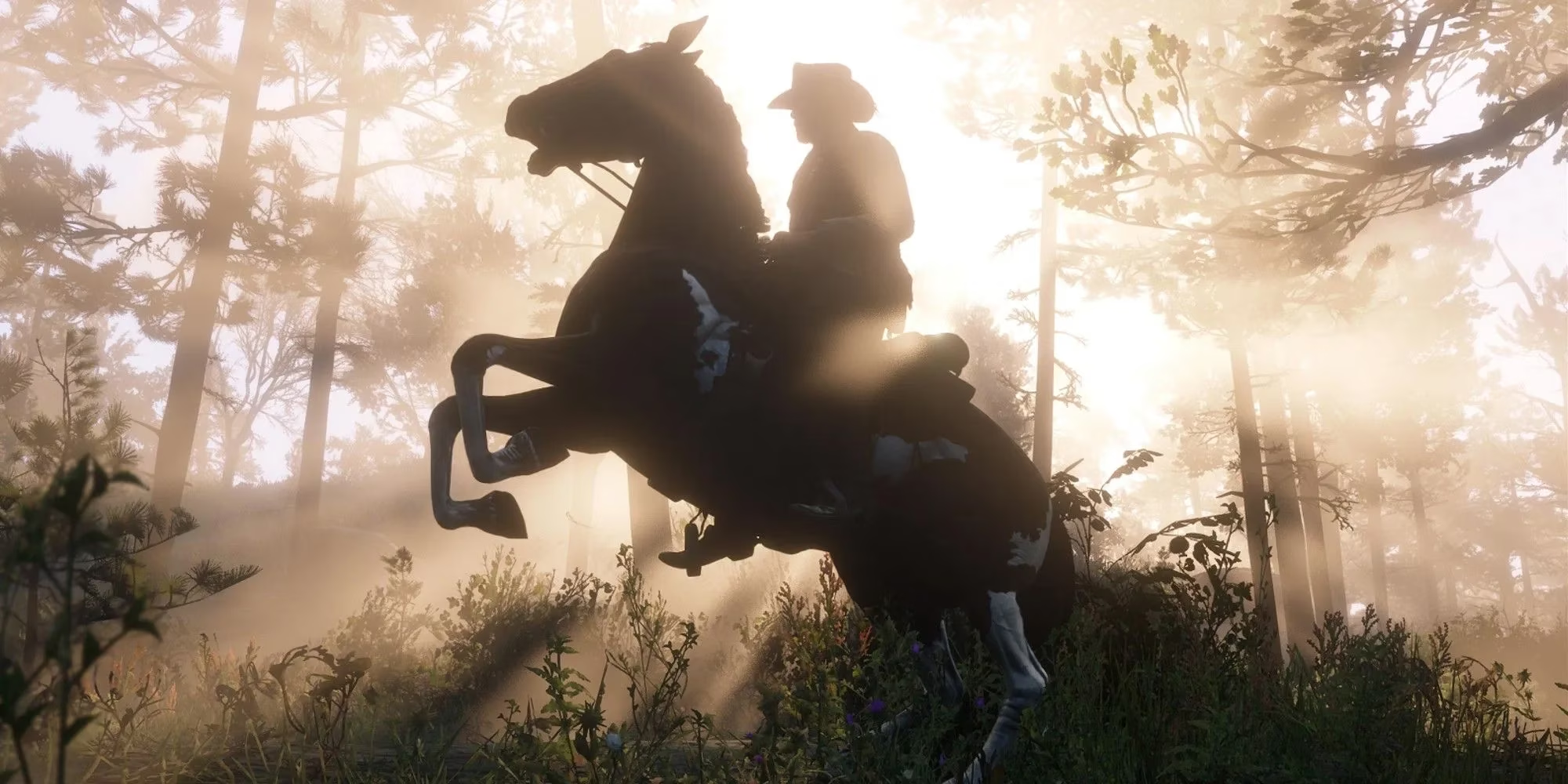
The absence is not entirely mysterious. Big-budget game development cycles are like steering an ocean liner through a frozen canal; by the time the ship reaches port, the holiday has thawed. Red Dead Redemption 2 reportedly took around eight years to develop, and major releases are frequently delayed. A studio cannot reasonably spend five years crafting the perfect Christmas game and then watch it slip into February. Christmas entertainment in other media arrives on time because it is designed as a short, repeatable product—a song, a film, a single television episode. Games demand enormous resources and often miss their windows.
But there is a deeper issue. Christmas is built on tradition, while gaming behaves like an engine that eats its own exhaust. The most popular Christmas song, ‘All I Want for Christmas Is You,’ is almost 30 years old, and films like Home Alone and Die Hard are even older. Video games, by contrast, are a young medium with an unceasing obsession with technical progress. Gaming treats nostalgia like a beta branch that must be patched out rather than a vinyl record that gets dusted off each December. Studios would rather remaster, remake, or reinvent than simply let an old game become a December ritual. That impulse makes commercial sense, but it also prevents the formation of the cozy repetition Christmas thrives on.
Players share some responsibility, too. The most dedicated gamers may replay a beloved title each year, but that audience is not a representative sample. When someone streams ‘Feliz Navidad’ or a network reruns Home Alone, somebody earns money from that repetition. When a player dusts off a three-year-old game for one more holiday run, no developer sees a profit. The economic incentive to create a revisitable Christmas classic is therefore very weak. The industry would rather sell a new battle pass or a seasonal mode that can be retired and replaced next year.
| Medium | Canonical Christmas classic | What keeps it alive |
|---|---|---|
| 🎵 Music | ‘All I Want for Christmas Is You’ | Royalties from annual streaming and radio play |
| 🎬 Film | Home Alone, Die Hard | TV reruns and theatrical re-releases |
| 📺 TV | A Charlie Brown Christmas, Simpsons specials | Scheduled holiday broadcasting |
| 🎮 Games | No true equivalent | Seasonal live-service events that vanish |
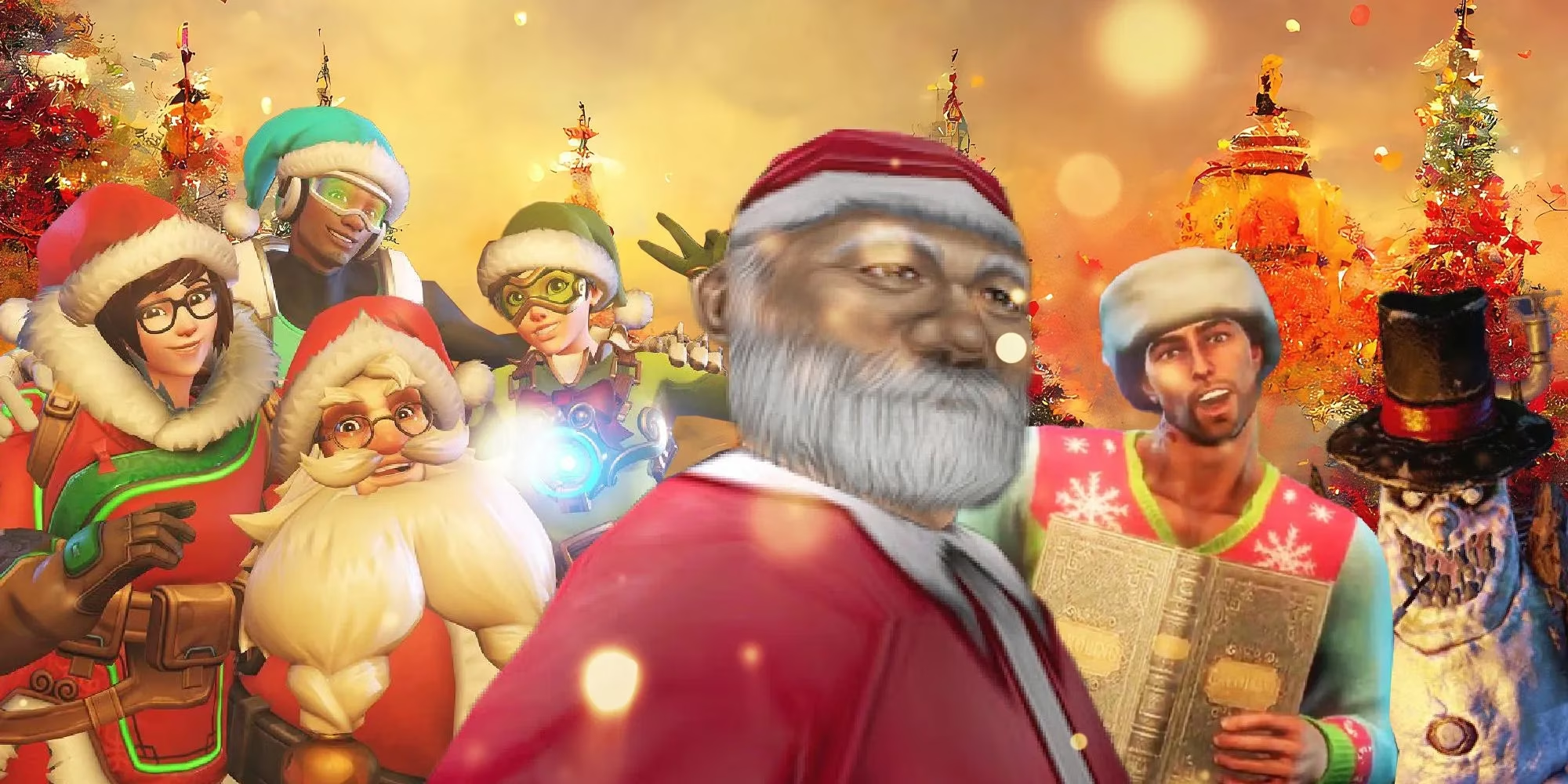
That lack of an equivalent is exactly what has happened in 2026. Live-service games such as Fortnite, Overwatch 2, and GTA Online now run elaborate Christmas events, but these are ornaments glued to a running treadmill—they spin fast, look shiny, and vanish before they can be collected into tradition. These updates must feel fresh each year because freshness drives engagement and renews the cash flow. A true Christmas classic requires continuity, but a live-service holiday event requires novelty. The two values pull in opposite directions.
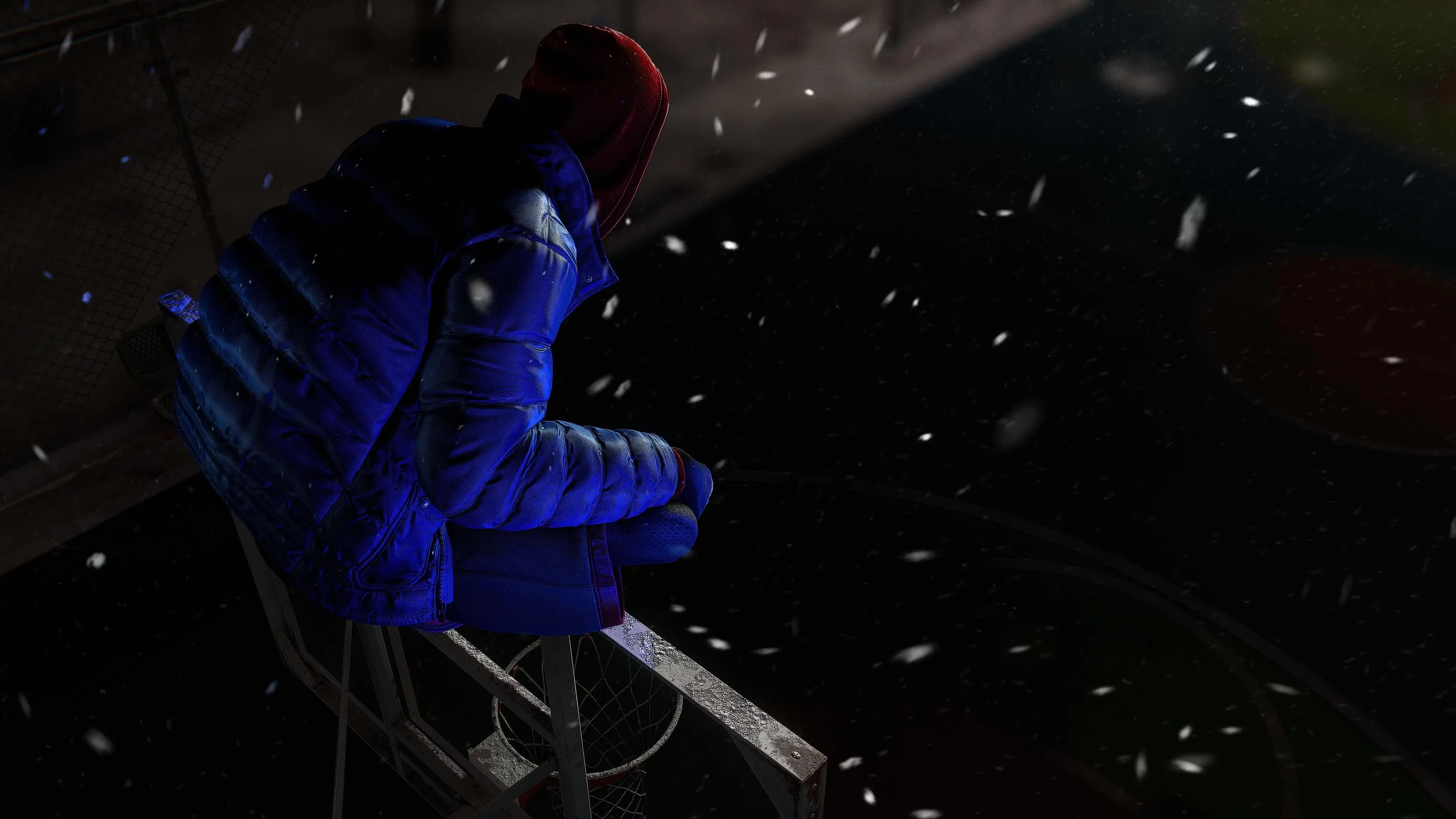
There are a few near-Christmas games. Marvel’s Spider-Man: Miles Morales offers the freedom of swinging through snowy Manhattan, and Batman: Arkham Origins ties superhero action to the holiday season. Saints Row has a Christmas-focused paid expansion that leans into the season more than most. Yet even these examples are smart enough to function all year round. The snow can be beautiful, but it is rarely the point.
Gaming will likely never have its own ‘All I Want for Christmas Is You’ because the people who make such decisions want something different: a reliable cash flow built on live-service microtransactions, battle passes, and year-round income. A player can still create a personal tradition by replaying The Witcher 3, Skyrim, or another beloved world every December. But the games themselves will not help. They are too busy chasing the next holiday update to ever settle into one.
This assessment draws from ESRB to underline a practical barrier to a “true Christmas classic” game: holiday-themed releases often still need broad, year-round appeal to justify their budgets, which means content and marketing tend to avoid being too season-locked. Because the ESRB framework foregrounds standardized consumer information about game content, it also reflects how publishers optimize for wide accessibility rather than niche seasonal specificity—helping explain why Christmas in games so often appears as temporary events, optional cosmetics, or light reskins instead of a singular, annually replayed tradition.